Here's the thing about disconnection
Dissociation feels like watching your life from behind glass. Your body is there, doing things, but you're not really in it. Pleasure requires presence. You can't feel good when you're not home in your own skin.
If you've experienced trauma, chronic stress, anxiety, or even just a really long period of numbness, dissociation is a common response. Your nervous system learned to protect you by stepping back. The problem is that once it steps back, it doesn't automatically return just because you decide you're ready for sex.
Lemon Pleasure Toy clitoral vibrators, particularly the lemon vibrators and lem vibrator line, are specifically useful here because they work with your nervous system's own re-entry protocol. I'm going to walk you through how.
Why regular vibrators fall short during dissociation
Most vibrators offer you stimulation. That sounds helpful until you realize that dissociation itself is a form of non-feeling. You add more sensation to a system that's already numb, and nothing changes. You're still watching from behind glass.
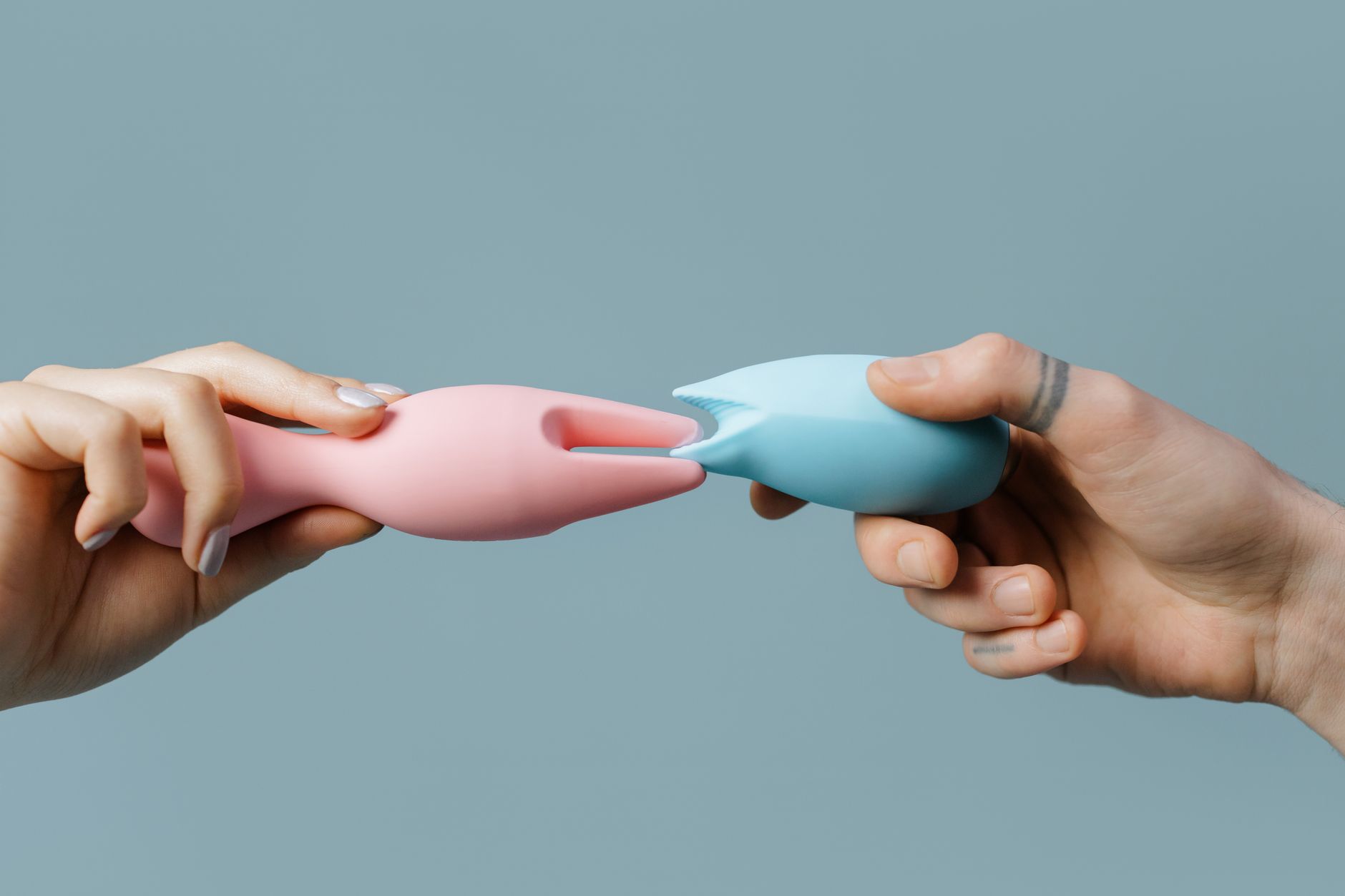
Lemon clitoral vibrators work differently. The air-suction technology creates a sensation that's distinct from regular buzzing. It's rhythmic, focused, and it demands your attention in a way that generic vibration doesn't. Think of it less as "stimulation" and more as "a conversation your body can't ignore."
When you're dissociated, your brain has deprioritized sensation from your genitals. A lemon vibrator's unique rhythm actually interrupts that deprioritization. It's like tapping someone on the shoulder repeatedly until they turn around and look at you.
The neuroscience of how lemon vibrators help
Your vagus nerve is your body's main communication highway to your brain. When dissociation happens, the vagus nerve goes quiet. Sexual pleasure normally lights up the vagus nerve. That's why dissociation and arousal feel incompatible.
Lemon sexual toys, specifically the suction-based clitoral vibrators, engage a different sensory pathway than regular vibration. They activate the same nerve endings that notice temperature change, light touch, and pressure shifts. These nerve endings have direct connections to your nervous system's alert system.
When you use a lemon clitoral vibrator slowly at first, you're essentially sending small "wake-up" signals to your nervous system. Pattern one. Just resting it there. Letting your body notice it exists before you ask it to do anything.
That's not foreplay. That's recalibration.
Starting slow: the actual protocol
Forget everything you know about using vibrators for orgasm. That's not the goal yet. The goal is inhabitation.
Step one: external only, lowest setting. Use a lemon adult toy at its minimum intensity, not directly on the clitoris but around it. The labia, the mons, the inner thigh. You're mapping sensation, not chasing it. Spend five to ten minutes just noticing. Not judging. Not performing. Noticing.
Step two: add temperature. After five minutes on low, pause. Put the lem vibrator down for thirty seconds. Touch the same area with your hand. Feel the contrast. Your brain processes change better than stasis. Dissociation loves stasis.
Step three: move to the clitoris, still low. Now bring the lemon vibrator to the clitoral hood. Don't press. Just let it hover. You should feel sensation, but it shouldn't be intense. If you feel nothing, that's okay. That's the data you needed. Dissociation is real, and forcing harder won't help.
Step four: breathe. This sounds absurd, but dissociation always includes shallow breathing. Your body literally isn't sending oxygen to the sensory cortex. Breathe in for four counts, out for six. Do this throughout the session. Your nervous system will begin to recognize that you're safe.
What reconnection actually feels like
You won't suddenly have an orgasm. You won't suddenly feel "like yourself again." Reconnection is smaller and slower than that.
It feels like noticing that you're aware of the vibration. It feels like your body having an opinion about the sensation, even if that opinion is "not yet." It feels like a slight shift in your breathing. It feels like remembering that you have a clitoris.
That's the win. That's the session.
If you do this for seven to ten days, ten to fifteen minutes per session, using your lemon clitoral vibrator at patterns one or two, most people report a measurable shift. Not a magic fix. A shift. Your nervous system realizes that this sensation is safe. That you're still in charge. That your body is still yours.
Pairing vibrators with grounding techniques
Sensation work alone isn't always enough. You need to anchor it.
Before you use your lem vibrator, try this: sit somewhere comfortable. Feel your feet on the floor. Feel your back against the wall or chair. Name five things you can see, four you can hear, three you can touch with your hands, two you can smell, one you can taste. That's the five-senses grounding technique.
Now use your lemon vibrator. While you're using it, keep naming things. "I see the lamp. I hear traffic. I feel the blanket. I'm holding the vibrator. It's blue." You're anchoring yourself in the present moment while you're simultaneously asking your body to wake up.
That's the protocol that actually works.
When to involve your partner
If you have a partner and you're ready to bring them in, do this: tell them exactly what you're doing. "I'm using my lemon clitoral vibrator to help my nervous system recognize that touch is safe. I'm not trying to reach orgasm. I'm not trying to perform for you. I'm recalibrating."
Most partners respond well to clarity. What they don't respond well to is ambiguity and the pressure to fix you. <a href="/blog/how-to-use-lemon-vibrators-for-couples-when-mismatched-desire-strains-your-connection">When you explain the actual goal, partners often want to help.</a>
Your partner's job is not to add more stimulation. It's to sit next to you, maybe hold your hand, and let you work. If you want their hand on your shoulder or your back, say that. If you need silence, say that. This is about your body learning to trust again, not about their technique.
What lemon vibrators specifically offer here
I mention lemon sexual toys and lem vibrator models specifically because the suction-based technology is genuinely different from what you'll find in most vibrators. The rhythm is more complex. It doesn't feel like a buzz. It feels like something alive is responding to you.
That matters for dissociation because your nervous system can distinguish it from simple vibration. It registers as novel. Novel sensations break through dissociation more effectively than familiar ones.
Patience is the actual tool
Here's what won't work: using your lemon clitoral vibrator aggressively in hopes of "jolting" yourself back into your body. That's trauma logic, and it doesn't apply here. Your nervous system stepped back for a reason. It needs evidence that it's safe to step forward.
Evidence takes time. Seven days. Ten days. Maybe three weeks.
But every time you sit down with your lemon vibrator and actually notice a sensation, even a small one, you're sending a message to your nervous system: "We're still here. We're still okay. We're still in charge." Your body will start to believe it.
FAQ
Can I use lemon vibrators for dissociation if I'm on antidepressants?
Yes, absolutely. Antidepressants might blunt sensation slightly, but they're not a blocker for using lemon clitoral vibrators. In fact, if your dissociation is linked to anxiety or depression, antidepressants plus grounded sensation work together. Start at the lowest setting and expect the protocol to take slightly longer. If you're not noticing any shift after two weeks, check in with your doctor or therapist. Sometimes medication adjustment helps.
How is this different from using a lemon vibrator for regular pleasure?
Regular pleasure is goal-oriented. You're chasing sensation and orgasm. Reconnection work is process-oriented. You're noticing and inhabiting. The lemon vibrator is the same tool, but your intention is different. That changes everything about how your nervous system receives the experience.
What if I don't feel anything, even on the highest setting?
That's dissociation doing exactly what it's designed to do. It's not a failure. It's data. If you're not feeling sensation after two sessions, you might be dealing with deeper dissociation that benefits from working with a trauma-informed therapist at the same time. Vibrators are useful, but they're not a replacement for professional support if dissociation is severe.
Can I use a lemon adult toy if I've experienced sexual trauma?
It depends on the trauma and where you are in your healing. If penetration or genital touch triggers a trauma response, using a clitoral vibrator might also trigger it at first. Start with non-genital sensation work. Use the vibrator on your wrists, forearms, inner elbows. Once your body learns that this tool is safe, you can gradually move closer to the genitals. Work with a trauma-informed therapist if possible.
How long before I can have partner sex again?
Reconnection is usually stage one. Once you've spent a week or two noticing sensation with your lemon clitoral vibrator, you can try partnered touch. Start with <a href="/blog/how-to-use-lemon-vibrators-when-arousal-takes-time-to-build">slow, extended arousal and don't rush toward penetration or orgasm.</a> Your nervous system needs continued evidence that it's safe before you layer in the vulnerability of partner sex.
Is dissociation permanent?
No. Dissociation is a symptom, not a personality trait. Your nervous system learned to do this in response to stress or threat. It can learn to do something else. Lemon vibrators plus grounding techniques plus time plus, ideally, therapy. That combination works.
The pathway back
Dissociation isn't a moral problem or a sexual problem. It's a nervous system problem. Your body protected you the only way it knew how. Using a lemon vibrator to reconnect is gentle, gradual, and actually effective because it speaks your nervous system's language.
Start small. Use patterns one and two. Breathe. Ground yourself. Notice what you notice. Your body is still yours. It's just taking a minute to remember that.
If reconnection feels urgent or impossible, reach out to a therapist or contact us. We're here to help.